Processing...

Note: This guide provides cleaning strategies to reduce environmental allergens. It is not a substitute for professional medical advice
The most effective way to clean for allergies in Austin is to use a “Wet-Dusting” technique combined with HEPA-filter vacuuming. This prevents oily, sticky allergens like cedar pollen from becoming airborne. Focus on “entryway management” to stop pollen at the door and maintain a consistent schedule during peak seasons: December–February (Cedar) and March–May (Oak).
If you’ve lived in Austin long enough, you know our allergy seasons hit hard—and often. Between cedar fever, fast-moving weather fronts, and year-round construction dust, many homeowners feel like they’re constantly fighting itchy eyes, sneezing, and dusty surfaces.
Living in Austin means dealing with a unique “Perfect Storm” of allergens: the legendary Mountain Cedar (Ashe Juniper), the yellow coating of Oak pollen, and year-round Mold spores fueled by Central Texas humidity.
As a team with 22+ years of residential cleaning experience in Austin, we’ve seen firsthand how much the right cleaning routine can improve indoor comfort. This guide provides a professional-grade strategy to turn your home into a low-allergen sanctuary, allowing you to breathe easier regardless of the pollen count outside.
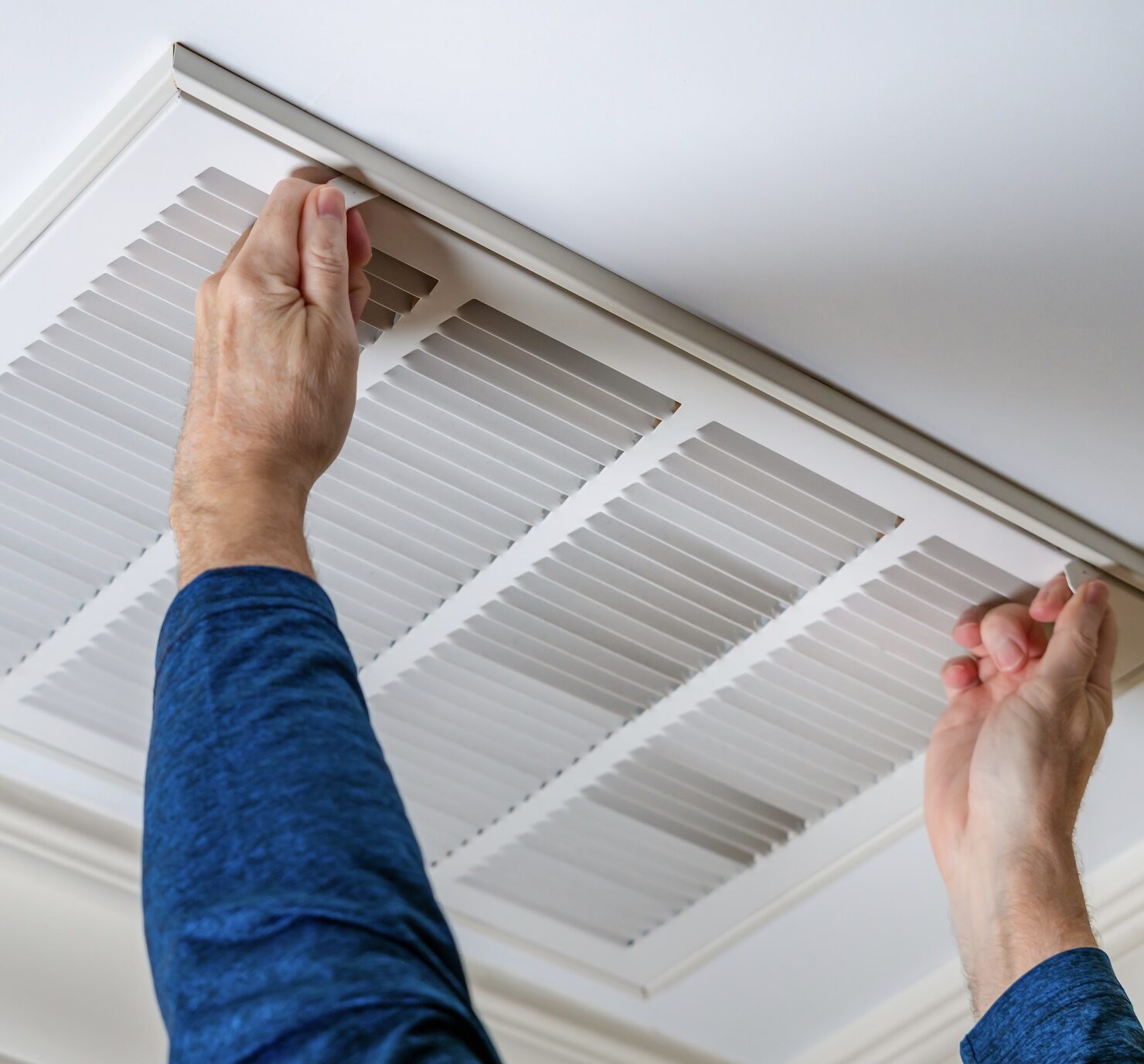
For most Austin households, a MERV 13 filter is the ideal balance between air filtration and system airflow. It is fine enough to capture microscopic pollen, mold spores, and even some bacteria without overworking your AC unit.
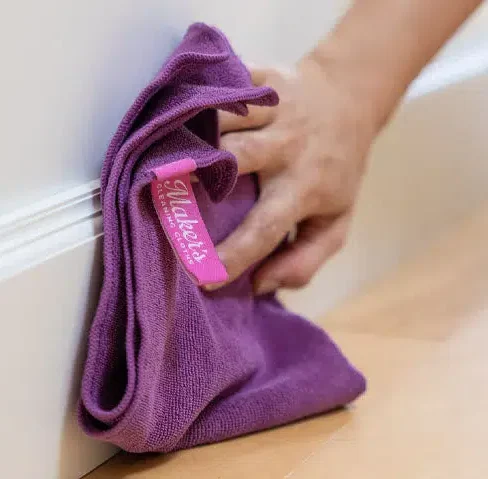
Never use a feather duster or dry cloth. These tools flick allergens back into the breathing zone. Instead, use a damp microfiber cloth. The split fibers of microfiber trap the particles, while the moisture breaks down the oily resins found in Cedar pollen.
Carpets act as a “sink” for allergens. While they trap pollen, they eventually become saturated. Weekly HEPA vacuuming and quarterly professional steam cleaning are essential for Austin homeowners who choose to keep carpet.

80% of indoor allergens are tracked in on the bottom of your shoes or the fur of your pets.

These can worsen respiratory symptoms.
This spreads allergens into the air.
Shoes and pets bring in cedar pollen more than you think
Couches can hold weeks’ worth of dander and pollen.
Regular vacuums simply blow fine allergens back into the room. These issues often show up in homes where residents feel like they “clean all the time” but still suffer allergy symptoms.
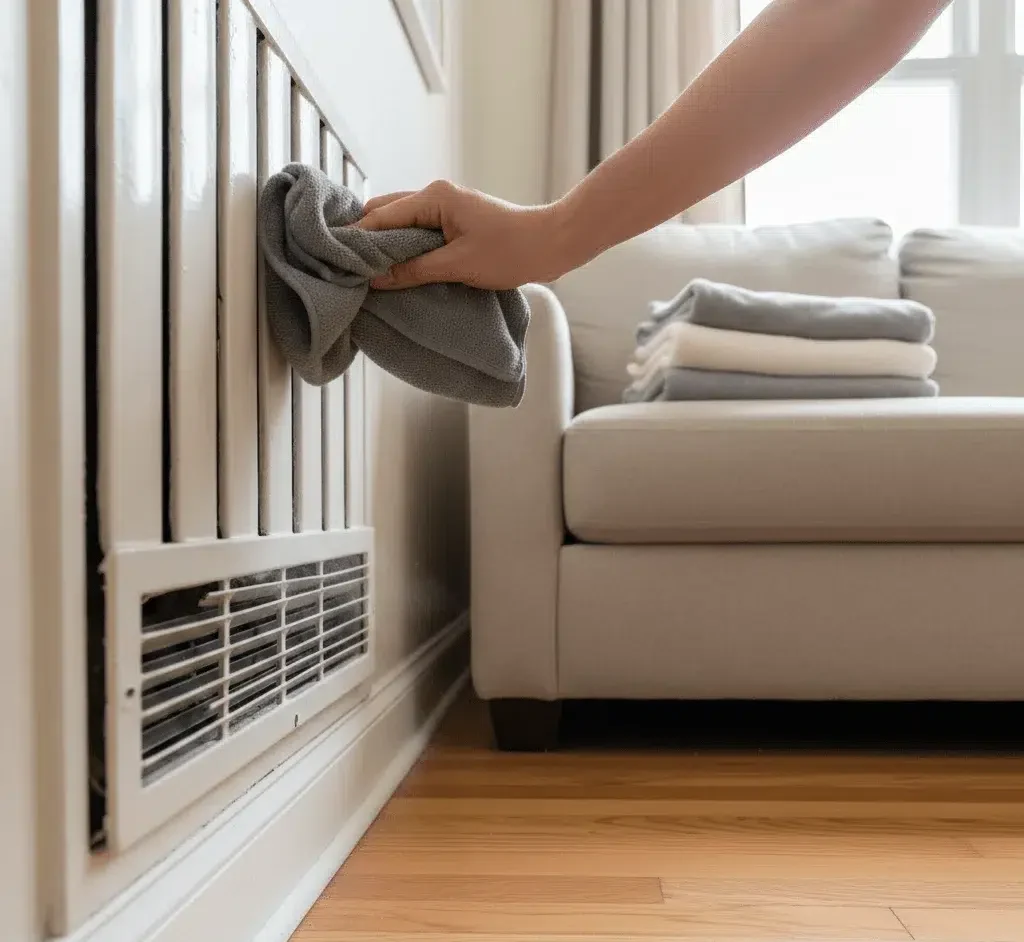
After thousands of recurring and deep cleans across Austin neighborhoods such as Mueller, Round Rock, Pflugerville, and Bee Cave, we’ve seen consistent patterns. Homes near greenbelts tend to have more pollen buildup (especially cedar). Downtown condos accumulate fine construction dust quickly. Our teams follow strict checklists designed to capture these overlooked areas every time.
Consider a professional allergy-focused deep clean if you’re experiencing chronic allergy symptoms indoors or haven’t cleaned blinds, vents, or baseboards in months. A thorough professional cleaning can create a cleaner baseline so your weekly upkeep is much easier.
Reducing allergens in your Austin home doesn’t have to be a daily battle. By using the right tools—HEPA filters, microfiber, and a “top-to-bottom” strategy—you can create a baseline of cleanliness that makes daily life breathable again. When DIY cleaning isn’t enough to break the “Cedar Fever” cycle, a professional deep clean can reset your home’s air quality in a single afternoon.

You should perform a surface clean weekly and a deep clean monthly between December and February. Because Cedar pollen is microscopic, it accumulates faster than visible dust, requiring more frequent intervention to prevent respiratory issues.
Fragrance-free, hypoallergenic, and “Green” cleaners are best. Strong synthetic fragrances in traditional cleaners can trigger the same respiratory pathways as the allergies you are trying to fight. Use vinegar and water for glass and non-stone surfaces.
Check your “wet zones” (bathrooms, under sinks, and window tracks). If you notice a musty scent or see black spotting in window tracks—common in Austin’s humidity—mold is likely a factor. Professional descaling and steam cleaning can eliminate these colonies.
Yes. A HEPA-certified air purifier can reduce indoor pollen counts by up to 99%. For the best results, ensure the unit is rated for the square footage of the room and run it on “High” during the day.
Ensure your bathroom exhaust fans are clear of dust, use a squeegee on glass after every shower, and maintain your AC at a temperature that keeps indoor humidity below 50%.
Don't suffer through another Cedar season. Our trained, background-checked professionals use specialized techniques designed specifically for Central Texas allergens. Let us handle the dust so you can enjoy the "Live Music Capital" in comfort.